10 High Carb Foods That Are Actually Incredibly Healthy

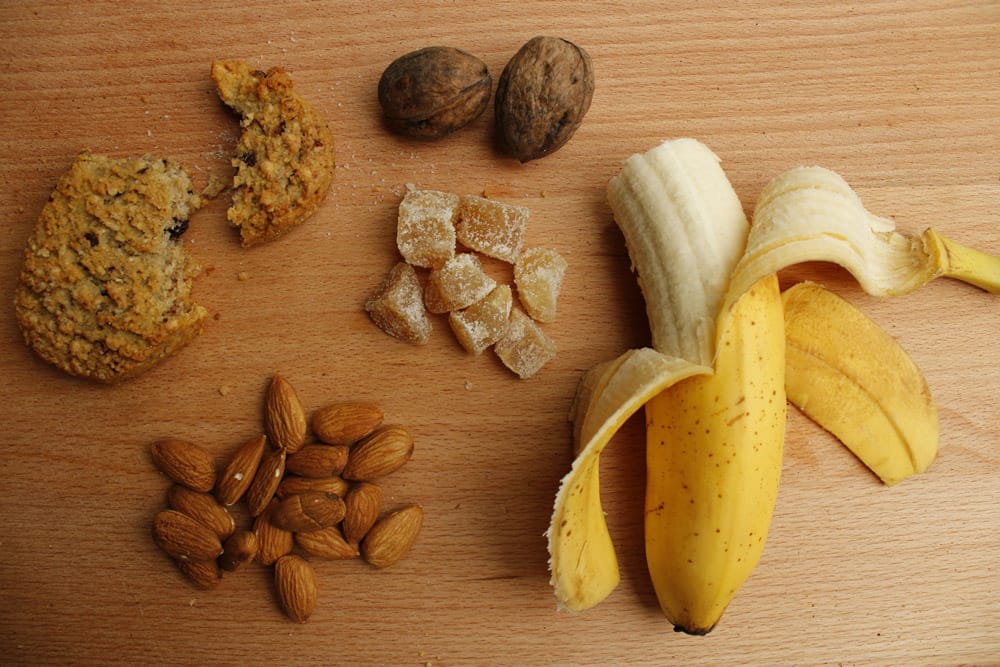
Carbs receive unfair criticism but represent essential components of a balanced healthy eating plan. The body obtains energy from healthy carbohydrates together with muscle recovery operations as well as blood sugar level control.
Unprocessed whole food-based carbohydrates provide multiple health advantages. High-carb foods you should increase in your diet include these 10 options while we examine how carbohydrates affect both your body and health.
1. Sweet Potatoes
You will find complex carbohydrates along with fiber and vitamins A and C and potassium in analyzed quantities in sweet potatoes.
The elements in these foods strengthen immune function while maintaining healthy skin. The fiber-rich nature of these foods helps to maintain stable blood sugar as well as extending satiety periods.
You can prepare your sweet potatoes by roasting them or mashing them or by cooking them into soups and stews. These versatile food items create great additions to any meal.
2. Oats
Breakfast lovers should include oats as a source of healthy carbohydrates. Soluble fiber beta-glucan content makes this food good for cholesterol reduction as well as blood sugar control.
When eaten as a slow-digesting carb oats maintain a steady energy supply all morning without blood sugar level instability. You can make your own granola base through cooking oats or drink them as a smoothie or consume them as oatmeal.
3. Quinoa
The high carbohydrate content of quinoa goes hand-in-hand with its status as a complete protein which includes all nine essential amino acids.
Quinoa serves as an excellent protein source for vegetarians and vegans through its complete amino acid composition. Beyond fiber content it boasts powerful antioxidants together with valuable mineral content in the form of magnesium.
You can serve quinoa as a salad ingredient or in warm soups or as a side or as porridge for breakfast.
4. Brown Rice
Brown rice will provide more nutrition than white rice because it retains its bran and germ components.
Whole grain brown rice delivers fiber and B vitamins together with key minerals magnesium and iron. The air and slow digestion of brown rice allows your body to fuel itself gradually while it helps maintain blood glucose control.
This brown rice works well as a foundation for stir-fry dishes and when placed beside vegetables as well as lean proteins in curries or as a standalone food.
5. Lentils
Lentils deliver healthy carbohydrates together with protein as well as fiber and vital vitamins and minerals such as folate and iron into your diet.
The lentils will stabilize your blood sugar while providing prolonged satiety. As a plant-based protein source lentils suit vegetarians as well as vegans perfectly.
You can incorporate lentils into stews and salads and soups and vegetarian burger recipes. The nutritious and budget-friendly carbohydrate rich lentils help maintain your body's health.
6. Chickpeas
The nutritional value of chickpeas extends to their carbohydrate content as well as their protein and fiber content.
This bean helps regulate blood sugar levels while improving digestive function. Chickpeas offer amazing versatility because you can put them in salads and make hummus from them or create a snack by roasting them.
Their folate content together with iron and manganese creates an excellent supplement to plant-based diets.
7. Bananas
The quick energy from bananas provides an easy yet nutritious source of carbohydrates.
The food item contains abundant fiber levels together with potassium quantities which benefit both your heart health and muscle health. Bananas serve well as a snack before working out or as a smoothie or oatmeal or baked goods enhancer.
The naturally digestible sugars in bananas make them ideal to consume when you need fast energy.
8. Whole-Wheat Bread
Whole-wheat bread has more fiber and nutrients than white bread because it is made with whole grains.
You will find B vitamins and magnesium and antioxidants in abundance in whole grains like those in whole-wheat bread. These important nutrients aid the digestive process and maintain blood sugar level control.
Whole wheat-based bread supplies slow-release carbohydrate content which maintains your satiety level for longer duration. Try this bread when creating sandwiches and for toast alongside soups and salads.
9. Butternut Squash
Butternut squash provides your body with beneficial carbohydrates and fiber alongside vitamin A and C content while being a nutrient-rich vegetable.
It helps protect immune function and sustains healthy vision and maintains proper blood sugar levels. This nutritious yellow vegetable delivers steady energy release which makes it an ideal carbohydrate for a nutritionally balanced diet.
Try roasted butternut squash dishes or soups and quinoa-stuffed servings for a satisfying meal.
10. Apples
Apples deliver an impressive amount of dietary fiber through their skins while containing plentiful antioxidant content that fights inflammation and promotes complete wellness.
A natural slow-release energy source from apples keeps blood sugar steady and helps maintain appropriate sugar levels. Eat them as an easy snack during the day or add them to your salad or baked goods or your morning oats.
Why Are Healthy Carbs Important?
For exercise and physical activity your body depends on carbohydrates to generate its main supply of energy. Consuming healthy carbs from whole fruit, grains and vegetable sources supplies your body's energy consistently.
Foods that digest slowly control blood sugar stabilization in addition to preventing energy crashes.
Sustained energy together with general health promotion results from healthy carbs which provide lasting fuel instead of energy spikes caused by refined carbohydrates.
Healthy carbohydrates deliver digestive benefits through their abundant dietary fiber content in addition to better regulating mood and sleep patterns and supplying fundamental vitamins and minerals for the body.
The addition of multiple types of healthy carbohydrates in your diet provides crucial nutrients for maximum body performance.
Common Questions About Carbs
Q: Will eating carbs harm weight loss?
A: Actually the nutritional quality of carbohydrates varies. Gaining weight together with energy crashes follows from eating refined carbohydrate-rich foods such as sugar-based snacks and white bread products.
Whole foods contain healthy carbs which are nutrient rich and support weight loss while providing nutritional value through fruits, vegetables, and whole grains.
Healthy foods with fiber content contribute to longer satiety periods and maintain steady blood sugar levels which reduce cravings.
Q: How do I know if I’m eating too many carbs?
A: You need to maintain a dietary balance between nutrition types. Every meal should implement healthy carbohydrates but you need to manage your portion sizes.
You need to monitor your carbohydrate intake if you experience fatigue with a balanced diet or if you gain weight.
A person should try increasing their intake of fiber-containing carbohydrates found in vegetables and fruits and whole grains while cutting back on high-calorie foods like bread and pasta.
Q: Can I eat carbs at night?
A: The answer is yes you can eat carbohydrates at night. The selection of healthy food options eliminates any weight gain risk from eating carbohydrates after dark.
Whole grains and fruit-based complex carbohydrates improve sleep because they boost serotonin production which helps regulate both mood and sleep.
Manage portion intake carefully as well as avoid processed and high-sugar carbohydrates in the evening hours.
The Importance of Carbs for Your Body
Carbohydrates serve a dual purpose of powering physical activity while supporting brain functions throughout the day. Your brain uses 100% glucose to operate this glucose arrives from carbohydrate sources.
Your brain needs healthy carbs to perform well and stay focused and retain mental clarity. Keeping carbs low during your diet may cause mental confusion with reduced focus along with cognitive difficulties.
Muscle recovery needs carbohydrates. Your body loses its glycogen stores after workouts and eating healthy carbohydrates helps restore those stored carbohydrates.
Eating healthy carbs after your workout helps your muscles recover fully which supplies them with energy for your upcoming training session.
Final Thoughts
Carbohydrates belong among the beneficial elements in your dietary intake. You should select your carbohydrates from unprocessed whole food sources such as sweet potatoes, oats, quinoa, and lentils.
Your body receives both energy and fiber and vitamins and minerals through these foods which support digestive wellness and blood sugar stability and prolonged energy sustainment.
The key to success is choosing nutrient-dense carbohydrate sources which support your health objectives instead of excluding them from your diet.
Whole foods containing healthy carbs maintain your energy levels while helping you stay full longer period and support your overall well-being.
Your body will benefit from steady energy and improved health and stronger exercise sessions when you incorporate more of these high-carb foods into your diet.
Optimal performance together with great feeling during daily life will come when you consume appropriate portions of the right carbohydrates in your diet.